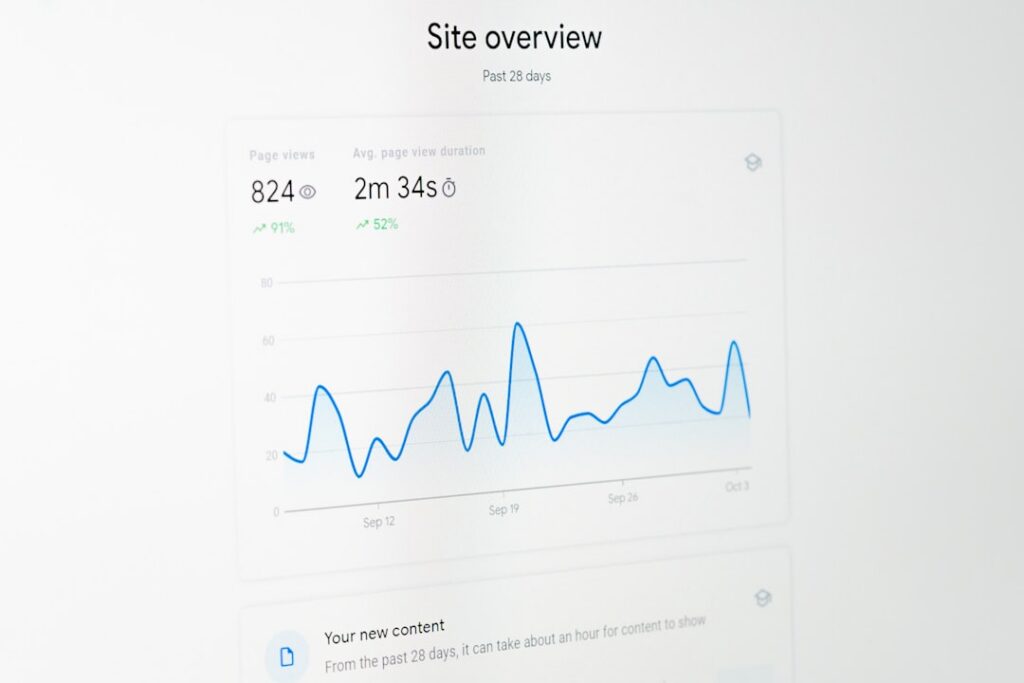

Ready to Track Your Brand Where It Really Shows Up
Solo founders, this one’s for you. You know how AI-driven assistants shape search results these days. Suddenly, your brand might pop up—or disappear—based on invisible algorithms. That’s where AI visibility monitoring comes in. Spot gaps. Spot opportunities. Get ahead of the curve. Learn how AI visibility monitoring works and see your name in places you never thought possible.
In this post, we’ll cover 11 AI-powered tools. Some dig deep into customer sentiment. Others track brand mentions across AI responses. All of them help you sharpen your strategy in 2025. Expect punchy reviews, real pros and cons, and clear take-aways for your solo journey. After all, tracking isn’t just about numbers—it’s about staying visible where it counts.
What Solo Founders Should Look for in Tools
Before diving in, let’s highlight the must-have features for AI visibility monitoring and market research:
• Ease of use: no PhD required.
• Real-time insights: catch mentions the moment they happen.
• Affordable pricing: your wallet will thank you.
• AI-driven analysis: raw data is useless without AI to sift through.
And don’t forget localisation. If your audience spans continents, Explore practical GEO SEO strategies to boost regional reach. With these criteria in mind, you’ll pick a tool that scales as you do.
Top 11 AI-Powered Market Research and Visibility Monitoring Tools
1. AI Visibility Tracking for Small Businesses
This in-house solution focuses on true AI visibility monitoring for small teams. It’s user-friendly, open-source, and keeps costs low. You get:
– Brand mention alerts in AI-generated responses
– Competitor appearance comparisons
– Narrative insights: how AI describes you
No need for complex setups. It’s designed for non-tech founders and shines when you want clear, actionable data about how your brand fares in AI searches.
2. Clootrack
Clootrack nails customer intelligence with a conversational interface. Key points:
– Fast mix of quantitative and qualitative analysis
– Sentiment scoring on open-ended feedback
– Instant answers via AskClootrack
Pros: Superfast insights from varied sources. Cons: Subscription locks some advanced modules. Great if you need robust market research and some AI visibility monitoring on the side.
3. Gong
Gong specialises in analysing sales conversations, but you can repurpose it for market trends. Highlights:
– Deep dive into call transcripts
– AI-generated summaries of customer pain points
– Sharing options for cross-team learning
Pros: Improves team alignment. Cons: Recording misses still happen. If your solo gig relies on calls, it doubles as a feedback loop and research tool.
4. Qualtrics
Known for surveys, Qualtrics packs in AI-powered reporting. It offers:
– Customisable dashboards and templates
– Seamless integrations with CRM tools
– Automated trend spotting
Pros: Powerful data visualisations. Cons: A steep learning curve and high price tag. Use it if you need detailed customer feedback and want to layer on some brand visibility checks.
5. SurveySparrow
SurveySparrow brings conversational surveys to the table. Features include:
– Engaging, themeable question flows
– White-labelling for brand consistency
– Multi-channel distribution
Pros: Forms feel natural. Cons: Advanced features in premium tiers. It’s a solid pick if you want quick market feedback and basic AI visibility monitoring via AI-driven analytics.
6. Canvs AI
Canvs AI turns open-ended text into emotion maps. You’ll get:
– Automated sentiment extraction
– Summaries that explain key findings
– 24/7 chat support for tricky queries
Pros: Great at unpacking unstructured data. Cons: Context and nuance can slip through. Ideal when you need a fast read on customer voice and a peek at how AI frames those voices.
7. Crayon
Crayon tracks competitors automatically. Its battle cards highlight:
– Pricing changes
– Product launches
– Marketing campaigns
Pros: Saves endless manual checks. Cons: Overload of alerts if not tuned properly. Perfect for solo founders who need a competitive edge and some AI-powered visibility insights.
8. SurveyMonkey
SurveyMonkey is a classic, now with AI boosts. You can expect:
– Drag-and-drop survey builder
– AI-suggested question improvements
– Integrations with popular stacks
Pros: Super intuitive. Cons: Free tier limits responses. Jump in if you need fast feedback and want a side-dish of AI visibility monitoring in your reports.
Start AI visibility monitoring today
9. Poll the People
Poll the People pairs crowdsourced human panels with AI analysis. Benefits:
– Targeted demographic polling
– Easy filtering and scoring
– Quick concept and ad testing
Pros: Human and machine combo. Cons: Premium plans can get pricey. If you want a trusted mix of human nuance and AI speed, this one delivers.
10. Zoho Survey
Zoho Survey offers robust templates and offline capabilities. Look for:
– Multi-language survey builder
– Collaborative editing
– Spam protection and panels
Pros: Broad device support. Cons: Interface feels dated at times. A solid choice if you need global reach and basic AI visibility monitoring baked in.
11. ChatGPT
ChatGPT isn’t just for chat. It’s a flexible research assistant. It can:
– Summarise market reports
– Generate survey questions and personas
– Answer ad-hoc market queries
Pros: Fast, versatile, always improving. Cons: Answers need fact-checking and may lack citations. Use it as a swiss-army knife for research and to sample first-pass AI visibility monitoring of brand terms.
Wrapping Up and Next Steps
Choosing the right mix of market research and AI visibility monitoring tools can feel overwhelming. Start small. Try one or two, see how they fit your workflow, then expand. Remember those key factors: ease, cost, real-time insights, and localisation. With the right setup, you’ll never miss a mention in AI responses again.
Curious to see real-time AI visibility monitoring in action? AI Visibility Tracking for Small Businesses can be your next step.
Share
Related posts