
Mastering AI Search Visibility: Your 6-Step Roadmap
If you’ve ever wondered why your small business might not show up in an AI answer box—or why ChatGPT never quotes your site—ai search visibility is the missing piece. It’s not just about search rankings anymore. Today, answer engines like ChatGPT, Gemini or Claude pull information from your pages, decide whether to quote you, and shape buyer decisions—all without a click.
Measuring how often and how well your brand pops up in AI-generated responses is the secret sauce to staying top-of-mind. This simple 6-step guide will walk you through everything—from setting up tracking to tuning content for maximum AI love. And if you’re ready to see real results fast, Get started with AI search visibility using our AI Visibility Tracking for Small Businesses and take control of your brand’s AI footprint.
The 6-Step Guide to Measuring AI Search Visibility
Tracking AI-driven mentions might feel daunting. But break it down, and it’s just a matter of data, tools and regular check-ins. Here’s your step-by-step plan.
1. Set Up Your Tracking Infrastructure
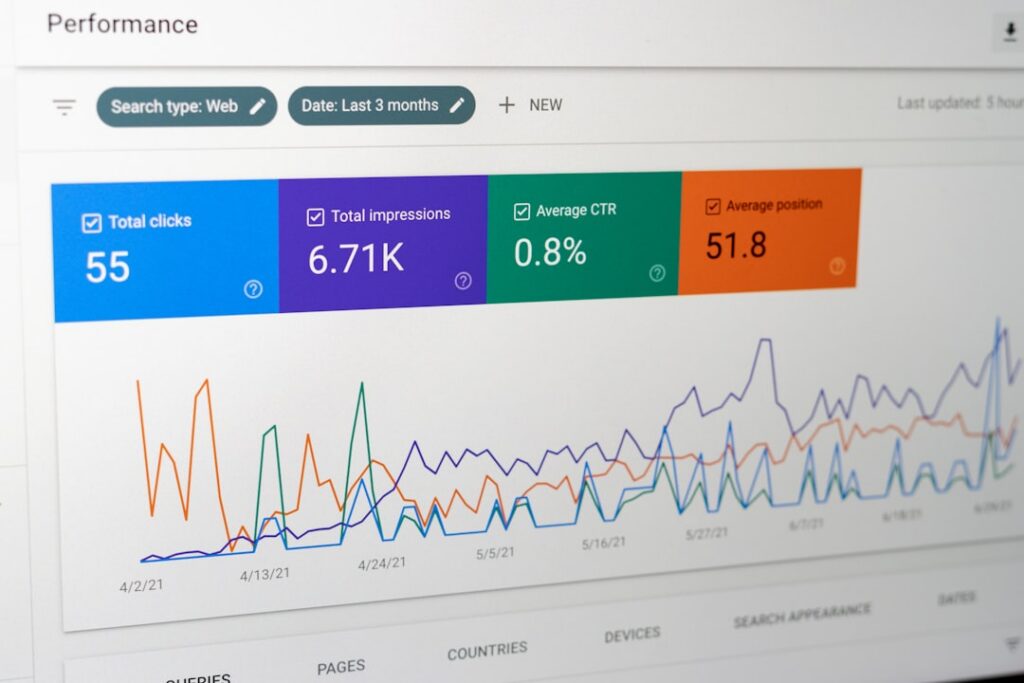
Before you chase citations, you need to separate AI traffic from the noise. Treat AI chats like a whole new channel in Google Analytics or your favourite analytics tool.
- Create a custom channel named “AI Sources.”
- Tag links with UTMs for experiments.
- Filter sessions by referrers like
chat.openai.comorperplexity.ai.
Once you’ve tagged everything, you’ll see your AI-driven visits light up in reports. No more guessing how many people landed from a bot. And if you want to dive deeper, Learn how AI visibility works to understand what really drives those mentions.
2. Establish a Baseline with Manual Tests
A quick manual check is vital to know where you stand. It’s like dipping your toe in the water before a proper dive.
- Pick 20–30 questions your customers ask.
- Run each query in ChatGPT, Gemini and Perplexity.
- Note brand mentions, citation style (quote vs. paraphrase) and sentiment.
- Log your results in a simple spreadsheet.
By the end of this quick audit, you’ll know which topics AI bots cite you on—and which ones they ignore.
3. Scale Up with Automated Monitoring
Manual checks are great for a one-off snapshot. But real visibility tracking needs consistent data over time.
- Deploy an open-source tool like AI Visibility Tracking for Small Businesses.
- Build or use API hooks to test hundreds of queries on a schedule.
- Set alerts for sudden drops in citation share or sentiment.
You could even Run AI SEO and GEO on autopilot for your business to catch every mention without lifting a finger. This frees you up to focus on insights, not spreadsheets.
Optimize your ai search visibility with AI Visibility Tracking for Small Businesses captures trends before your competitors do.
4. Benchmark Against Competitors
Knowing your own score is half the battle. You need to see how you stack up in your niche.
- Select 2–3 direct rivals.
- Track their share of voice in AI answers.
- Spot topics where they get cited more than you.
- Map their wins and losses over the last 60 days.
Bundling your data with theirs in a dashboard reveals gaps faster. Want local edge? For brick-and-mortar shops, don’t forget to Explore practical GEO SEO strategies so AI bots recommend you to nearby customers.
5. Update Content for AI-First Discovery
AI extractors love clean, structured, up-to-date content.
- Refresh stats, case studies and examples.
- Add clear headings, bullet lists and FAQ blocks.
- Improve schema markup for better crawlability.
- Use tools like Maggie’s AutoBlog to auto-generate fresh, GEO-targeted blog posts that match your ideal reader’s queries.
This isn’t fluff. Pages you update regularly are twice as likely to earn citations. Focus your efforts on underperformers and watch your AI share climb.
6. Monitor, Iterate and Repeat
AI models change. Your visibility score will bounce. That’s good—if you’re on the ball.
- Schedule daily scans for your top queries.
- Do a quick manual audit every month.
- Re-run your baseline tests after major updates.
- Adjust content and technical setup based on what the data tells you.
Rinse. Repeat. By staying nimble, you keep your brand front and centre in every AI-powered answer.
AirOps vs AI Visibility Tracking for Small Businesses
AirOps has set the bar for AI visibility tracking. They offer slick dashboards, cross-LLM coverage and premium support. But it’s often out of reach for solo founders and indie teams:
- Costly enterprise pricing.
- Closed-source, missing community input.
- Limited local SEO and geo-targeting options.
Our project, AI Visibility Tracking for Small Businesses, slices through those barriers:
- Affordable: no enterprise-level price tags.
- Open-source: adapt the tool as you grow.
- Built for small teams: easy setup for non-tech users.
- GEO-aware: tailor data to local markets.
You get all the essentials: citation tracking, competitor benchmarking and alerting—minus the heavy cost or complexity.
Testimonials
“AI Visibility Tracking for Small Businesses gave me clear data on when ChatGPT was quoting our site. It’s become part of my weekly routine.”
— Zoe R., boutique coffee shop owner
“I was lost in the weeds with manual tests. This tool automated our checks and helped me snag a 20% lift in AI citations in a month.”
— Liam S., digital marketing consultant
“Warm, responsive community and open-source code meant I could tweak reports for UK-based queries. Exactly what our small team needed.”
— Priya K., e-commerce manager
Ready to Own Your AI Search Visibility?
Measuring “ai search visibility” isn’t a one-off stunt. It’s an ongoing journey that separates brands getting lost in AI chatter from those earning the AI citation crown. Start small—manually test, tag your traffic, and update your pages. Then get the boost you need from AI Visibility Tracking for Small Businesses to automate, benchmark and optimise like a pro.
Curious? See how AI Visibility Tracking for Small Businesses boosts ai search visibility and keep your brand at the heart of AI-driven discovery.
Share
Related posts