A New Era of Inclusive Customer Experiences
Accessibility isn’t a buzzword. It’s a lifeline for millions who shop, browse and interact online. With AI assistive technology, small businesses can transform websites, apps and in-store kiosks into welcoming spaces for customers with disabilities. Think screen readers that pronounce product names flawlessly. Real-time captioning for live demos. Chatbots that adapt to speech impairments. It’s a game of small tweaks with big impact.
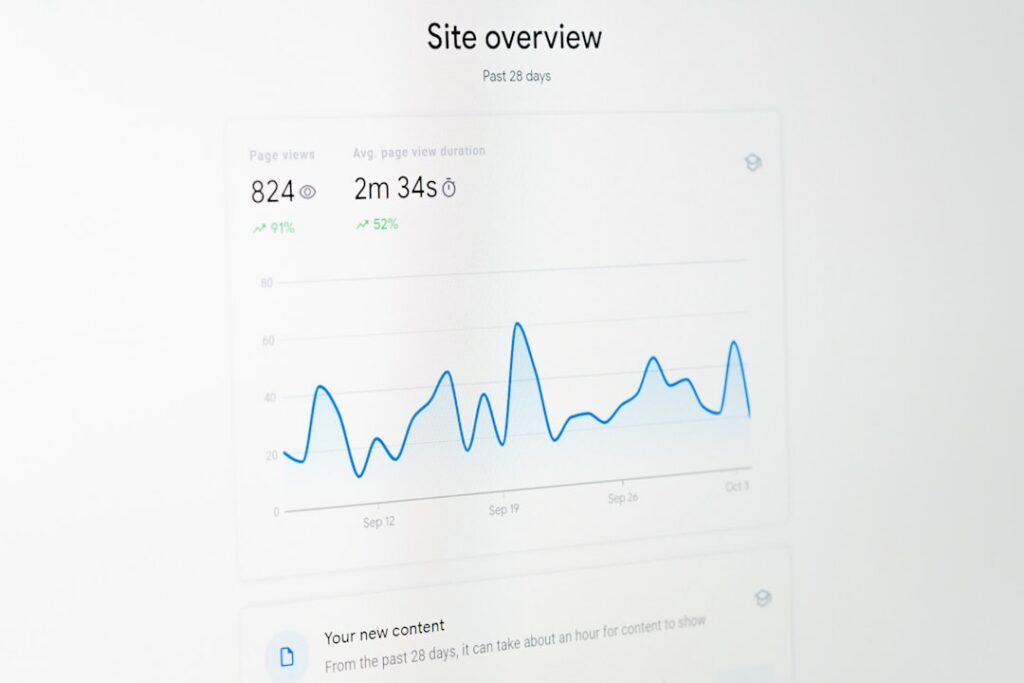
Yet, adding AI assistive technology is only half the battle. You also need to track how these tools perform in AI-driven search and chat platforms. That’s where our AI Visibility Tracking for Small Businesses steps in. It tells you how often AI assistants mention your accessible features, how you stack up against competitors, and which pages need a polish. AI assistive technology for Small Business visibility
Why Accessibility Matters for Small Businesses
Accessibility isn’t charity. It’s smart business. Around 15% of the world’s population lives with some form of disability. That’s a lot of potential customers. When you embrace AI assistive technology, you unlock new audiences, build loyalty and stand out from competitors who view accessibility as an afterthought.
Understanding Customer Needs
Customers with disabilities face friction at every turn:
- A visually impaired shopper struggles with tiny, unlabeled buttons.
- A deaf visitor misses out on live video demos without captions.
- Someone with motor impairments finds filling long forms a headache.
With AI assistive technology, you can:
- Offer AI-powered screen readers that handle jargon.
- Provide live transcription for video content.
- Enable voice-driven checkout assistants.
AI Assistive Technology: Key Tools and Their Impact
AI assistive technology isn’t one-size-fits-all. Here’s what leading brands are using:
- Augmentative and Alternative Communication (AAC) devices that predict words for non-standard speech.
- Text-to-speech tools (like Speechify) that summarise blog posts into bullet points.
- AI chatbots trained to recognise stuttering or language differences.
- Generative AI planners that break down orders, set reminders and organise tasks.
Each tool closes gaps. Each tool boosts engagement.
Bridging the Gap: Tracking AI Assistive Tech Usage
You’ve rolled out AI assistive technology. Now what? Traditional analytics platforms—SEMrush, Ahrefs or Moz—focus on keywords and backlinks. They don’t tell you how often AI assistants recommend your accessible features in an answer. That’s a blind spot.
Our AI Visibility Tracking for Small Businesses fills it. You’ll see:
- How often AI chatbots pull content from your accessible pages.
- Which competitors AI assistants mention alongside you.
- Sentiment analysis of AI-generated narratives about your brand.
No more guessing. No more gaps.
Practical Steps to Implement AI Assistive Technology
Step 1: Audit Your Current Accessibility Tools
First, run an audit. Check:
- Alt text on images.
- Keyboard navigation.
- Colour contrast ratios.
Free browser extensions can help. Note where your site falls short, then plan upgrades.
Step 2: Integrate AI Assistive Technology Features
Next, layer in AI:
- Embed real-time transcription for webinars.
- Add an AI-driven chat widget that handles simple voice commands.
- Offer downloadable audio summaries of your top blog posts.
These small changes drive big wins.
Explore AI assistive technology solutions for accessibility insights
Step 3: Monitor and Optimise Through AI Visibility Tracking
Finally, install our AI Visibility Tracking for Small Businesses platform. It will:
- Track brand mentions in AI responses.
- Highlight pages driving the most AI referrals.
- Alert you when competitors outshine you in AI answers.
All in an intuitive dashboard. Easy. Affordable.
Help your small business gain organic traffic and AI visibility effortlessly
Real-World Success Stories
“We added AI assistive technology features to our booking system. Within two months, bookings by customers using screen readers jumped by 30%. The AI visibility dashboard showed exactly which pages needed tweaks.”
— Sarah J., Coastal Café“I run a small crafts shop and worried about deaf customers missing demo videos. Adding live AI transcription was a breeze, and I now see regular footfall from sign-language users. This tool helped me spot where AI assistants recommend us.”
— Liam T., Artisanal Crafts“As someone with dyslexia, I tested the text-to-speech feature on my own site. Instant clarity! And tracking AI mentions means we know customers find our accessible guides. It’s a win-win.”
— Priya S., Home Services
Future Outlook: The Next Wave of AI Assistive Technology
The assistive tech space never stands still. Coming soon:
- AI-powered personal tutors that adapt to reading pace.
- Virtual reality tours with descriptive narration for blind users.
- Predictive scheduling assistants that integrate with personal calendars.
Every innovation deepens inclusion. And every innovation needs visibility data. Don’t let your efforts go unnoticed by chatbots, search engines or voice assistants.
Explore practical GEO SEO strategies
Conclusion
AI assistive technology is more than a nice-to-have. It’s a must-have for small businesses that value every customer. By combining inclusive tools with our AI Visibility Tracking for Small Businesses platform, you ensure your brand is not only accessible but discoverable by AI assistants everywhere.
Ready to make accessibility your competitive edge? Start leveraging AI assistive technology for inclusive customer experiences
Share
Related posts