Unlocking AI Transparency with real time ai tracking
Artificial intelligence is everywhere now. It powers chatbots, recommends products, even writes bits of content. But with that power comes risk. Small businesses often struggle to see how AI systems represent their brand or handle sensitive data. That’s where real time ai tracking comes in. It’s the art of watching AI models as they learn, generate and sometimes slip up—live.
In this guide, you’ll learn how to monitor AI incidents, classify potential harms and gain actionable insights without a huge budget. We’ll compare popular platforms, show you easy setup steps and share tips to avoid common pitfalls. Ready to bring transparency and confidence to your AI use? Explore real time ai tracking for small businesses seamlessly and start making smarter decisions today.
Why AI Incident Tracking Matters for SMEs
The rise of AI mishaps
AI isn’t magic. It’s code. And code can fail. Here are a few real-world flashes of trouble:
- Bias in hiring chatbots that screen out top talent
- Misleading product recommendations that tank sales
- Data leaks from automated customer support tools
Platforms like the MIT AI Incident Tracker have catalogued over 1,300 incidents, classifying each by harm severity and root cause. That’s a lot of sleepless nights for policy teams and regulators. But small businesses don’t need an army of data scientists to learn from these stories. You just need a clear, cost-effective way to spot risks before they escalate.
The benefits of continuous monitoring
Keeping tabs on AI models in action pays off:
- Early warnings: Spot anomalies before they spread
- Transparency: Show customers you’re on top of safety
- Cost control: Fix issues quickly, avoid expensive fallout
- Better audits: Automate incident classification and reporting
Imagine catching bias in a chatbot script hours after it goes live, not weeks later when customers complain. That’s the power of real time ai tracking. You get clarity, control and peace of mind. And yes, it’s within reach even if you’re a one-person marketing team.
Learn more about how to adopt clear AI monitoring: Learn how AI visibility works
Tools and Platforms for AI Incident and Experiment Tracking
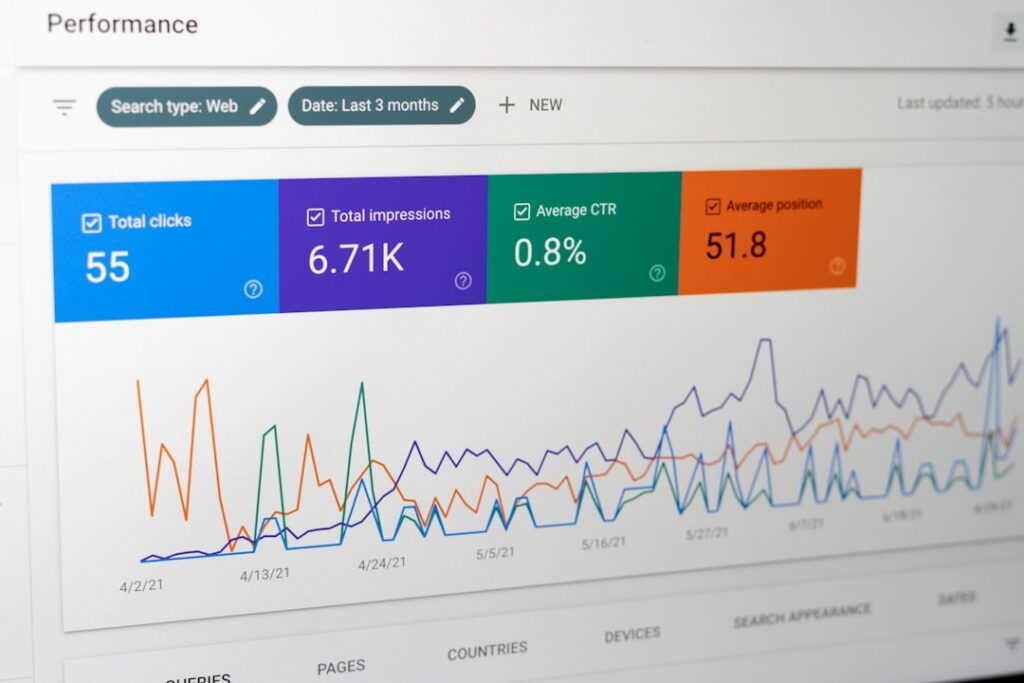
You’ve probably heard of SEMrush, Ahrefs or Google Analytics. Great tools for SEO and web stats. Not so great when you need to classify AI harms or uncover bias in real time. Here’s why:
- SEMrush and Ahrefs focus on keyword rankings and backlinks
- Google Analytics tracks clicks and visits, not AI-generated errors
- Brandwatch and Sprout Social cater to large enterprises
- Raven Tools and SimilarWeb ignore AI-specific data
Contrast that with a specialised solution built for small businesses. Our AI Visibility Tracking for Small Businesses platform brings together:
- Automated classification of incidents by risk and severity
- Live dashboards for experiment logs and incident timelines
- Easy-to-understand taxonomies aligned with the EU AI Act
You don’t need complex scripts or a PhD in data science. You get instant, actionable reports.
Ready to let AI handle your SEO and GEO optimisation while you focus on growth? Run AI SEO and GEO on autopilot for your business
Discover real time ai tracking for small businesses
How to Set Up AI Incident Monitoring on a Budget
Setting up real time ai tracking need not break the bank. Follow these simple steps:
- Choose a tiered monitoring plan
– Free tier for up to 5 incidents per month
– Paid plan for continuous streaming and alerts - Integrate with your AI models
– Plug in via API or SDK
– No heavy installations - Configure risk categories
– Select “Misinformation,” “Data Privacy,” “System Failure”
– Match them to your business priorities - Schedule alerts
– Email or Slack notifications
– Daily or hourly summaries - Review and iterate
– Add context to false positives
– Adjust thresholds as your AI matures
Almost all of this you can do through a clean web interface. No code changes, no consultants.
Enhance your local reach at the same time: Explore practical GEO SEO strategies
Common Pitfalls and How to Avoid Them
Even the best monitoring can trip. Watch out for:
- Poor quality input data skewing results
- Over-alerting that leads to “alert fatigue”
- Ignoring low-severity incidents that hint at bigger issues
- Lacking context on why a risk was flagged
Stay sharp with these fixes:
- Validate incoming reports with automated checks
- Group related alerts into digestible summaries
- Tag incidents with root-cause notes
- Review weekly trends, not just daily spikes
Cut the noise. Focus on what truly matters for your customers and brand reputation.
Wondering how AI assistants pick winners and losers online? Understand how AI assistants choose which websites to recommend
Testimonials
“We were flying blind on AI risks until we tried this platform. Now we catch small issues before they become big headaches.”
— Olivia Harper, boutique e-commerce owner
“Real-time incident tracking gives us confidence to roll out chatbots and recommendation engines without fear.”
— Marcus Liu, digital marketing consultant
“The dashboards are so clear. We’ve cut incident response time by 60 per cent.”
— Elena Rossi, founder of a health-tech start-up
Conclusion: Take Control of AI Risks
AI can be a friend or a foe. With real time ai tracking, you decide. You’ll see incidents as they happen. Classify harm quickly. Share clear reports with stakeholders. And you’ll never feel in the dark again.
Ready to make AI safer for your business and your customers? Start your real time ai tracking journey
Share
Related posts