Smarter Care Starts Here: A Quick Dive into AI Patient Monitoring
Imagine spotting a patient’s trouble before they even call you for help. That’s the promise of AI patient monitoring in small healthcare practices. This tech sifts through sensor readings, vitals and patterns, then flags early warnings. No more fire drills. Just timely alerts that give you a chance to step in, adjust treatment or send a nurse on a home visit.
But there’s more: as you roll out predictive analytics, you’ll want to track how AI tools present your service online. That’s where tools like our AI Visibility Tracking for Small Businesses come in handy. Learn how AI patient monitoring transforms small healthcare practices
This article unpacks how predictive analytics works, real-world results from a heart failure trial and practical steps to bring AI patient monitoring into your clinic—without breaking the bank.
What Is Predictive Analytics in Healthcare?
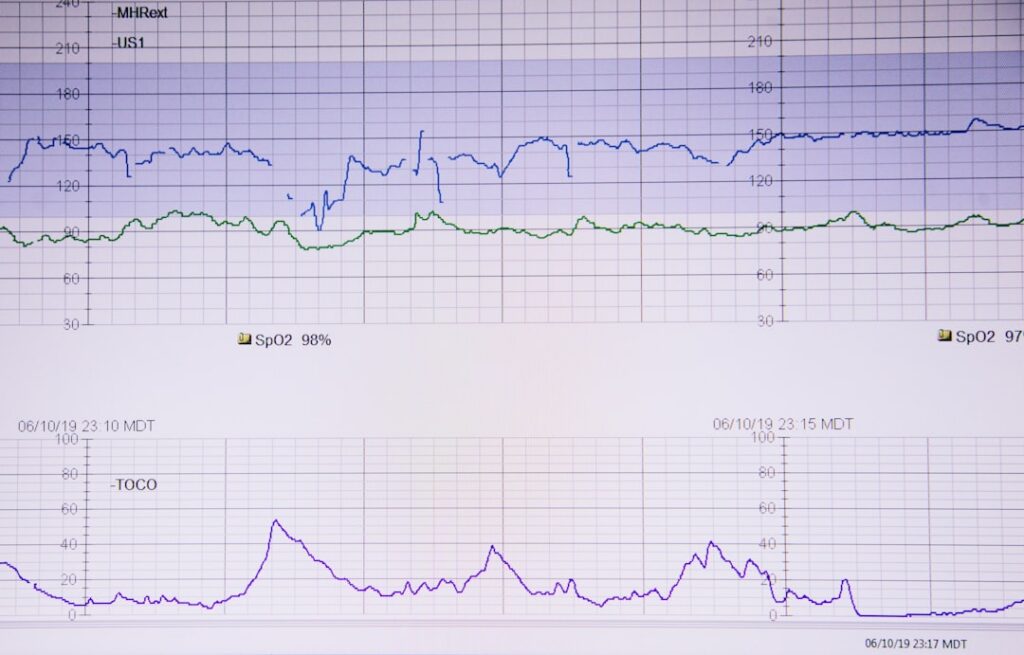
Predictive analytics uses historical and real-time data to forecast future events. In healthcare, it means analysing patients’ vital signs, lab results and even behavioural data to predict flare-ups, hospital readmissions or complications.
How AI Patient Monitoring Works
- Data collection: Wearables, smart devices and non-invasive monitors feed data.
- AI algorithms: Machine learning models detect patterns that human eyes might miss.
- Alerts and insights: Predictive scores highlight who’s at risk and what to act on.
With AI patient monitoring, you move from reactive care—treating crises—to proactive care that prevents emergencies.
Key Benefits for Small Practices
- Early intervention
Catch deterioration days before symptoms spike. - Clinician efficiency
Reduce routine checks. Focus on critical cases flagged by AI. - Patient satisfaction
Timely outreach means fewer ER visits and happier patients. - Cost savings
Lower readmission rates cut down on avoidable expenses.
Tiny clinics often juggle limited staff and resources. AI patient monitoring tackles that by automating data crunching, giving you more time for compassionate care.
A Real-World Case: Heart Failure on the Radar
In a recent pilot study (LINK-HF2) published in the Journal of the American Medical Informatics Association, heart failure patients wore non-invasive sensors. An AI predictive analytics engine processed the data and sent notifications to their care team.
- Clinicians responded within 24 hours in 95% of alerts.
- 26.7% of those alerts led to clinical action—medication tweaks, follow-up calls or nurse visits.
That’s AI patient monitoring in action: fewer surprises, better outcomes and a clearer picture of who needs help when.
Implementing Predictive Analytics on a Budget
You don’t need a million-pound IT department. Here’s how to roll out AI-driven patient monitoring affordably:
- Start small
Pick one condition (e.g. hypertension) and gather baseline data. - Partner with vendors
Explore open-source or subscription-based platforms. - Integrate with EHR
Seamless alerts within your clinical workflow save time. - Train staff
Simple workshops on reading AI reports and troubleshooting. - Monitor performance
Track alert accuracy and clinician response rates.
Want step-by-step guidance? Explore practical GEO SEO strategies to ensure your telehealth initiatives get recommended by AI assistants, too.
Deploy, tweak, repeat. Over time, your predictive analytics will become a natural part of daily rounds.
Keeping an Eye on Your AI Footprint
As you adopt AI patient monitoring, it’s vital to see how AI assistants and search tools mention your service. Our AI Visibility Tracking for Small Businesses provides dashboards on:
- Which AI platforms cite your practice.
- Competitor mention frequency.
- Context around your brand in AI-generated responses.
This insight helps refine your online presence and patient outreach messaging. Learn how AI visibility works for your healthcare brand
Overcoming Common Challenges
- Data privacy and compliance
Encrypt data, update consent forms and adhere to GDPR or HIPAA standards. - Clinician trust
Start with pilot programmes. Showcase early wins from AI patient monitoring. - Integration hurdles
Use middleware or APIs to plug AI alerts into existing EHR systems.
Automating routine analytics can feel daunting. Luckily, you don’t have to build from scratch. Run AI SEO and GEO on autopilot for your business gives you an affordable, hands-off way to manage your digital footprint while you focus on patient care.
The Future of Small-Scale Predictive Care
We’re on the cusp of real-time, at-home monitoring for everything from diabetes to COPD. Soon, small practices will:
- Leverage voice-activated AI assistants for triage.
- Use predictive models that blend genomic data with lifestyle factors.
- Get automated patient reminders fine-tuned by location and language through GEO SEO.
As predictive analytics evolves, AI patient monitoring will become as common as digital thermometers in your clinic.
Conclusion
Predictive analytics isn’t just for big hospitals. Small healthcare practices can harness AI patient monitoring to catch issues early, streamline workflows and boost patient satisfaction. Start with a pilot, secure your data, and integrate alerts into your EHR. Don’t forget to track how AI describes your services using AI Visibility Tracking for Small Businesses—ensuring your brand shows up when it matters most.
Learn how AI patient monitoring transforms small healthcare practices