
Kickstart Your Growth with Data-Driven Marketing Basics
In today’s fast-moving online world, data-driven marketing basics are your compass. You need clear insights, not guesswork. When you map out buyer behaviour with cold, hard facts, every campaign feels smarter. You can spot which messages click and which flop. That means less wasted budget and more wins.
Small businesses juggle a lot. You wear many hats—marketing, service, accounts. You don’t have time for complex dashboards that only big enterprises can decode. Instead, focus on straightforward tools that deliver exactly what you need: clarity on who’s engaging, why, and where to push next. Need a hand to dive in? Explore data-driven marketing basics with AI Visibility Tracking for Small Businesses to see it in action.
Data-driven marketing basics give you a bird’s-eye view of your audience. But when you add AI visibility tracking into the mix, you see how AI assistants describe and recommend your brand. That’s the real competitive edge.
Why Data-Driven Marketing Matters for Small Businesses
Data isn’t just numbers. It’s your customers’ story. And when you tell that story back to them, they listen. Here’s why it matters:
-
Deep customer insight
You learn who your audience really is. Age, location, interests and habits. No more guessy personas. -
Sharper targeting
Aim your ads and content at people who actually want your product. Watch conversion rates climb. -
Optimised budget
Data highlights what works. You pour money into winners and cut out the dead weight. -
Real-time tweaks
Campaign underperforming? You spot it fast. Tweak headlines, images or timing before it burns cash. -
Competitive edge
While others grope in the dark, you move with confidence. Read their strategies and find gaps to exploit.
At the same time, many marketing tools ignore how AI search engines and chat assistants present your brand. They track clicks and impressions, but not your AI footprint. That’s a gap you can fill right now. Learn how AI assistants choose which websites to recommend
Building Blocks of Effective Data-Driven Marketing
A solid strategy rests on core steps. Nail these, and you’re off to the races.
1. Data Collection
Gather signals from every touchpoint: website visits, social media interactions, email clicks, surveys and reviews. Use simple tools to centralise that data. Keep it fresh. Keep it clean.
2. Analysis and Insights
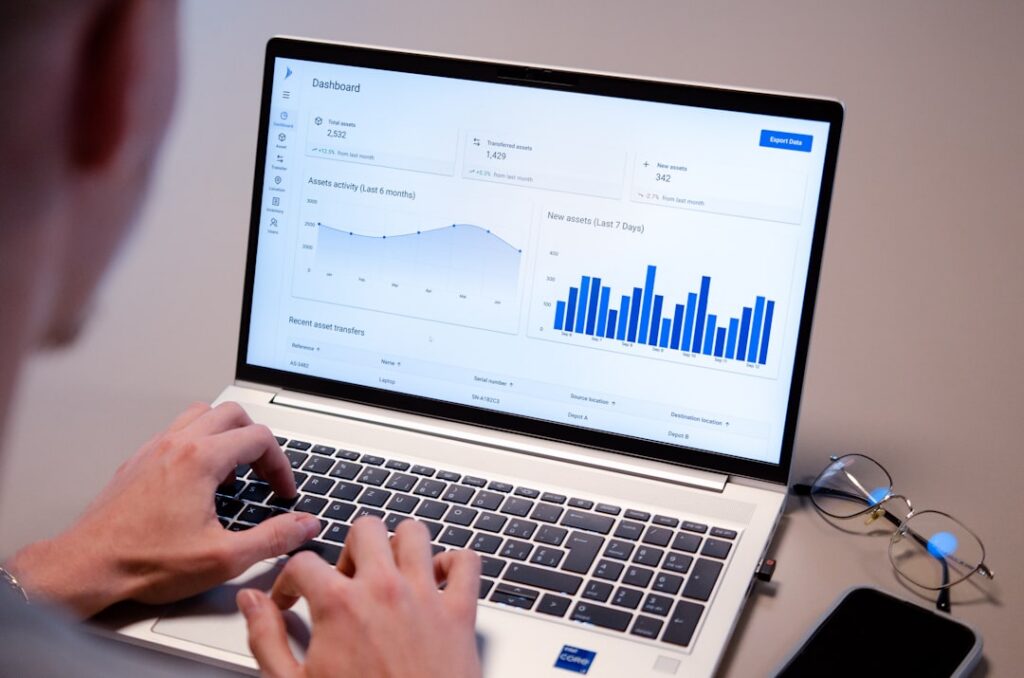
Numbers alone don’t solve problems. You need patterns. Which pages hook people? Which emails go unopened? Use visual dashboards that show trends at a glance. Then dive deeper when you spot a spike or dip.
3. Strategy Development
Now it gets creative. Use insights to craft messages that resonate. Segment audiences by behaviour. Tailor offers to their needs. Plan campaigns around real customer pain points.
4. Campaign Implementation
Pick channels that work best for each segment: social ads, search ads, email blasts, content hubs. Automate where possible. You save time and keep consistency across touchpoints.
5. Measurement and Optimisation
Track KPIs—open rates, click-throughs, conversions. But go further. Tie those metrics back to overall revenue and lifetime value. Run A/B tests. Iterate weekly. Tweak messaging, visuals or targeting to squeeze out more performance.
Want a deeper dive on geo-targeting your messages so AI picks up your location signals? Explore practical GEO SEO strategies to stand out in your region
Enhancing AI Visibility: The Missing Piece
Most marketers focus on search and social. Few ask: how do AI chatbots and voice assistants present my brand? That’s a blind spot. You might have a great website, but if AI systems don’t reference you, you miss out on conversations you didn’t even know existed.
Our solution bridges that gap. With an AI visibility tracker designed for small businesses, you get:
-
Brand mention reports
See how often AI systems reference your name, product features or benefits. -
Competitor context
Discover if you appear alongside or after top rivals. Adjust your messaging to stand out. -
Narrative insights
Understand the tone AI uses when describing your offerings. Friendly, formal, explanatory? Shape your content accordingly.
This isn’t a big-budget enterprise tool. It’s built lean, for non-technical users, with transparent code and community updates. It’s about making AI visibility accessible. Ready to learn the nuts and bolts? Learn how AI visibility works
Real-World Strategies to Automate and Scale
You’ve got the basics. You’ve explored AI visibility. Now let’s automate and grow.
-
Integrate AI-powered content generation
Use an AI-powered blog content generator to turn your SEO and GEO targets into ready-to-publish blog posts. It uses your existing site copy and product info to craft user-focused articles. No more writer’s block. No more late nights. -
Automate campaign triggers
When a lead downloads an eBook or hits a pricing page twice, fire off targeted emails automatically. Keep the conversation alive without manual work. -
Sync data across tools
Connect your analytics, CRM and AI visibility tracker. Get unified dashboards that show how AI mentions drive website visits and conversions. -
Set up geo-fenced ads
Serve local deals to nearby prospects. AI assistants will recommend your location-optimised landing pages when users ask for nearby services. -
Iterate with real-time feedback
Every campaign teaches you something. Tweak headlines, adjust offers and update content fast. The faster you loop, the quicker you win.
Mid-way through your journey, don’t forget to revisit the fundamentals. Master data-driven marketing basics for your small business is a handy guide that walks you through every step with checklists and templates.
And if you want to hand off the heavy lifting? Run AI SEO and GEO on autopilot for your business
Actionable Steps to Get Started Today
- Audit your current data sources. Scrap outdated spreadsheets. Adopt centralised tools.
- Sign up for an AI visibility tracker. Schedule weekly reviews of your brand mentions and competitor placements.
- Define clear, measurable goals. Increase local footfall? Boost online sign-ups? Map those to specific KPIs.
- Pilot one automated workflow. Maybe a chatbot follow-up or a geo-targeted email series.
- Review performance every two weeks. Double down on what works. Pause what doesn’t.
What Business Owners Say
“Thanks to the AI visibility reports, I discovered that chat assistants were suggesting competitors first. I tweaked my content and saw a 30 percent lift in direct enquiries.”
— Sarah M., Local Craft Shop
“Our small marketing team can’t hire an analyst. This tool gave us clear reports on how AI systems discuss our services. We improved our messaging in days.”
— James R., Boutique Consultancy
“I always thought SEO was enough. Then we saw how little AI assistants mentioned us. With the visibility tracker and automated blog generator, we doubled our organic traffic in three months.”
— Priya K., Gourmet Food Delivery
Conclusion: Start Smarter, Grow Faster
You don’t need a massive budget or a tech team to win with data-driven marketing basics. You need clarity, simple tools and a smart plan. Blend traditional metrics with AI visibility insights. Automate where you can. Iterate quickly. That’s how small businesses punch above their weight.
Ready to master data-driven marketing basics and watch your brand pop up across AI assistants? AI Visibility Tracking for Small Businesses
Share
Related posts