
Why open-source brand monitoring is essential for small businesses
Artificial intelligence now guides the way people search for products, services and answers. That means your brand isn’t just on Google search results—it’s in AI assistants, chatbots and recommendation engines. If you don’t track how AI describes your business, you could be invisible or misrepresented. Small teams struggle with complex, costly tools. An open-source brand monitoring approach puts you back in control without big budgets.
Traditional monitoring focuses on keywords in web pages or social feeds. It misses that AI models weave your brand into summaries, comparisons or even disclaimers. You need a simple, affordable way to see how AI paints your story—and react fast. That’s where our open-source platform steps in: it watches AI responses, flags odd descriptions and tracks your reputation in real time.
Explore open-source brand monitoring with AI Visibility Tracking for Small Businesses
What is open-source brand monitoring?
Open-source brand monitoring is a community-driven toolset that watches how AI engines reference your brand. Instead of a black-box SaaS, you get transparent code you can inspect, tweak and extend. That means no hidden algorithms, no surprise fees and full trust in the data you see.
Key points:
– It scans popular AI chats like ChatGPT, Claude and search-powered assistants.
– It captures brand mentions, sentiment and context across AI responses.
– You can add custom rules, keywords or threat indicators.
– Community contributions keep it up to date with new AI platforms.
By choosing an open-source route, you’re not tied to an expensive licence. Your developers or even power users can fine-tune the system. Everyone benefits when bugs get fixed and features get shared back.
How open-source brand monitoring works
Our tool uses a three-step process to keep you informed:
- Query AI platforms with brand-related prompts
- Parse responses for mentions, comparisons and warnings
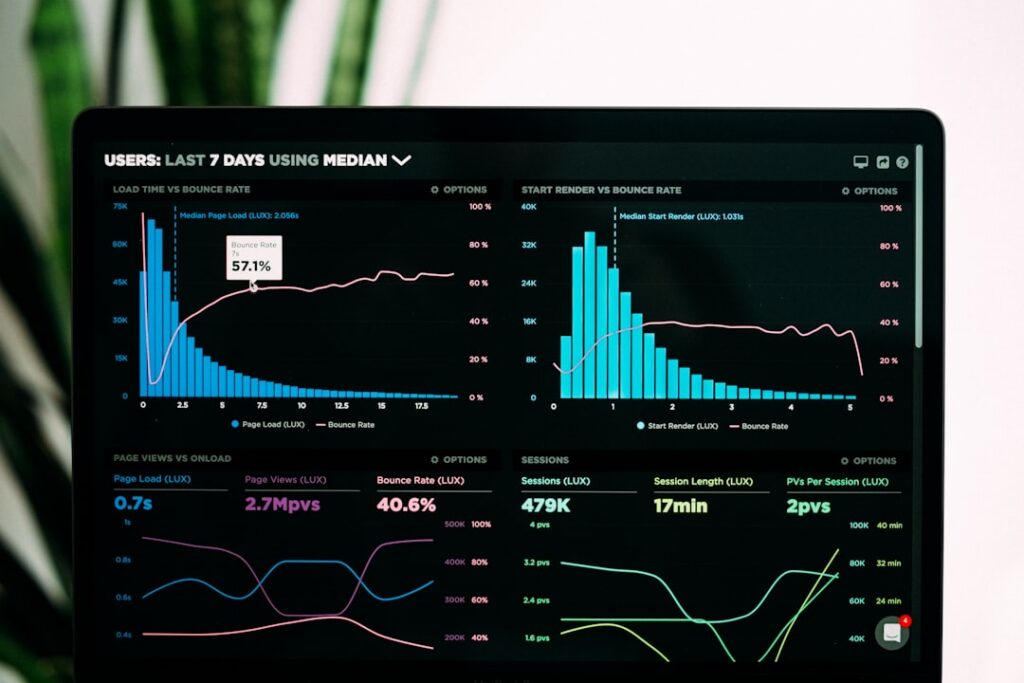
- Present findings in a dashboard or via email alerts
Under the hood, it’s Python scripts, simple API calls and a lightweight database. You can host it on a small cloud server or run it locally. There’s even a browser extension for quick checks. No hidden fees, no locked modules.
After you see how your brand appears in an AI answer, you can tweak your website content or SEO approach. It’s about closing the feedback loop between AI perception and your marketing plan.
Learn how AI visibility works in practice
Key features of our AI brand monitoring service
We built this platform for small businesses, so every feature is focused on simplicity and impact.
- Continuous AI scans
Schedule hourly or daily queries against multiple engines. - Brand mention alerts
Get notified the moment AI misstates your name or products. - Competitor tracking
See which rivals pop up alongside your brand in AI answers. - Context analysis
Identify if the mention is neutral, positive or negative. - Easy deployment
One-click installer or Docker container. - Community-driven enhancements
New AI integrations by contributors, not a closed roadmap. - Customisable dashboards
Pick metrics that matter to your niche. - Cost transparency
No surprises—just open code and predictable hosting costs.
This isn’t a bloated suite packed with SEO modules you’ll never use. It’s a lean, focused service: open-source brand monitoring built for real-world needs.
Explore practical GEO SEO strategies for local brand visibility
How we compare against major competitors
Many established tools promise brand visibility, but they often miss the AI angle. Here’s a quick rundown:
- SEMrush
Pros: SEO tracking, keyword research. Cons: Complex interface, expensive; no AI content insights. - Ahrefs
Pros: Comprehensive backlink and SEO data. Cons: SEO-centric, no generative AI monitoring. - Moz
Pros: Beginner-friendly SEO reports. Cons: Lacks AI-driven visibility features. - BuzzSumo
Pros: Content performance tracking. Cons: No AI chat analysis. - Google Analytics
Pros: Detailed web metrics. Cons: Doesn’t scrape AI assistant responses. - Brandwatch
Pros: Social listening at enterprise scale. Cons: Costly, over-engineered for small teams. - Mention
Pros: Real-time web mentions. Cons: No AI-specific parsing. - Sprout Social
Pros: Social media management. Cons: AI brands get lost. - SimilarWeb
Pros: Competitor web traffic insights. Cons: No AI summarisation data. - Raven Tools
Pros: SEO reporting. Cons: No integration with ChatGPT, Claude or Bard.
You can pay big sums to unlock partial brand coverage, or you can go open source and see every AI snippet that mentions you. Our platform zeroes in on AI channels that matter. It’s agile, affordable and fully transparent.
Get affordable AI-driven SEO and GEO without ongoing manual work
Integrating open-source brand monitoring into your marketing stack
Putting the tool to work is straightforward:
- Deploy the Docker container or run the installer
- Define your brand keywords and synonyms
- Choose AI engines and set scan frequency
- Review AI mentions in your dashboard
- Adjust website content or marketing campaigns
- Engage community for custom modules
Within minutes you’ll get your first AI-generated report. Use that intel to tweak headlines, product descriptions or FAQ pages—anywhere AI bots pull your material.
Halfway through setup, you’ll realise you don’t need a massive team or licence fees. You get insights that big brands pay thousands for, but tailored to the scale of your business.
Secure your digital reputation with open-source brand monitoring
Best practices for small businesses
Keep these tips in mind as you roll out open-source brand monitoring:
- Start simple
Focus on your core products and name variations. - Define alert thresholds
Too many pings can desensitise you—filter out low-impact mentions. - Regularly review logs
AI models update; so should your keyword set. - Involve your team
Share dashboards with marketing, support and leadership. - Draw on community modules
Watch for new integrations published by contributors. - Combine with web analytics
Use brand monitoring insights to guide your SEO and content calendar.
These practices ensure you get the most from open-source brand monitoring without drowning in data.
What our clients say
“Before this tool, we never knew how AI chatbots portrayed our brand. Now we catch odd comparisons and correct them in our copy. It’s simple, cost-effective and transparent.”
– Emma L., Boutique Owner“The community updates keep the system fresh. We monitor three AI engines and adjust our FAQs based on their output. We’ve seen fewer customer questions because AI answers are more accurate.”
– David M., Café Founder“I love that it’s open source and has no hidden fees. We set it up on a small server and it just works. Alerts in Slack mean we fix brand errors before they go viral.”
– Priya S., Tech Startup CEO
Conclusion
Open-source brand monitoring puts power back in the hands of small businesses. You gain clear insights into how AI platforms reference your name and products. No more black-box tools, no huge bills—just transparent code and community-driven features.
Whether you’re a boutique, café or startup, this approach scales with your needs. You’ll spot misstatements, protect your reputation and feed AI insights back into your marketing. Embrace the open-source revolution in AI brand monitoring today.
Get started with open-source brand monitoring and AI visibility tracking today
Share
Related posts