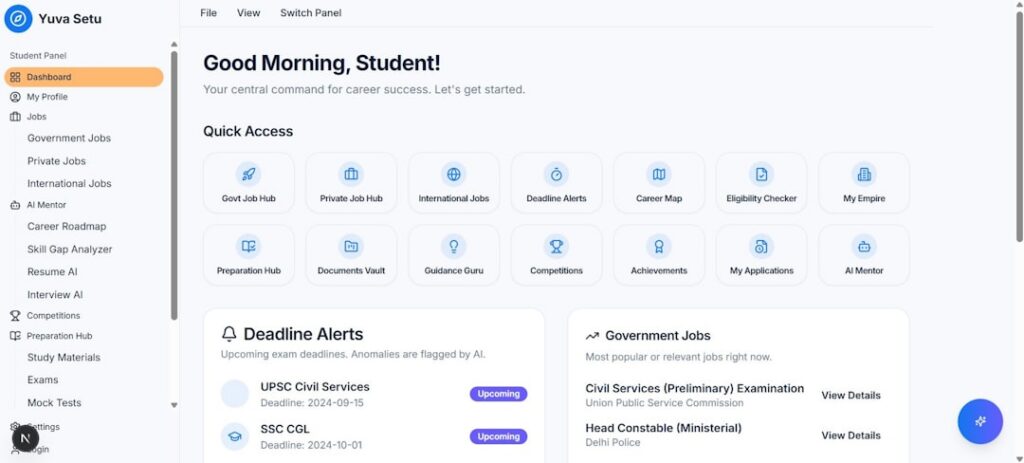

Secure Your AI Visibility with Smarter Risk Controls
Small businesses often dive into DIY AI visibility tracking. They stitch together open-source tools, scripts and spreadsheets. It feels quick. It seems cheap. But when you lack cohesive AI security, you’re left chasing down breaches and blind spots. That’s where AI risk management comes in – you need clear processes, automated checks and a simple way to see how AI tools describe your brand.
This guide shows you how to level up your AI risk management without hiring a full IT department. You’ll learn why DIY platforms fail on security, how to build solid workflows, and how to monitor brand mentions safely. Along the way, you’ll see how our AI Visibility Tracking for Small Businesses tackles these risks head-on. Discover AI Visibility Tracking for Small Businesses with AI risk management
Why DIY AI Visibility Projects Are Risky
When you cobble together data science notebooks, custom scripts and a patchwork of APIs, you end up with gaps. Small teams crave agility. They want to tweak models, test new providers and spin up services on the fly. But that speed comes at a cost.
- Fragmented security policies. Different tools use different auth systems. You can’t replicate a single policy end-to-end.
- Unpatched open-source components. One library might be safe. The next might have a critical flaw.
- Limited audit trails. Tracking who accessed which AI results becomes messy across five repos and three cloud accounts.
All these holes add up to one thing: poor AI risk management. Without careful design, you risk leaking sensitive data, exposing API keys, or letting attackers manipulate your brand mentions.
Fragmented Tools, Broken Workflows
Imagine you have three platforms: one for sentiment analysis, another for competitor tracking, and a homegrown script to log results. They all speak different languages. They all store logs differently. Now multiply that by ten. You’ve created an unmanageable sprawl. No one can patch everything. No one can see the full picture.
Security Gaps in Open-Source Patchworks
Open-source is great. It’s cheap. It’s flexible. But it moves fast. Maintainers drop support. New vulnerabilities pop up monthly. Without automated scans, you never know if you’re running safe code. That’s a hard pill to swallow when you depend on AI to track your brand online.
Key Steps for Better AI Risk Management
Tighten your AI risk management with simple, actionable steps. You don’t need an army of security experts. You need clear rules and the right tooling.
1. Centralise Your AI Visibility Platform
Pick a single, secure workspace that brings your data, scripts and dashboards under one roof. You get:
- Consistent access controls across APIs and data stores.
- Unified audit logs you can search in one go.
- End-to-end encryption in transit and at rest.
With our AI Visibility Tracking for Small Businesses, you get a managed environment tailored for brand monitoring. You still control your data. We host and patch the tools. That way you get productivity plus security.
2. Automate Security and Compliance Scans
Manual reviews won’t cut it. Automate:
- Dependency vulnerability checks.
- Credential rotation alerts.
- Usage threshold notifications.
Automated scans spot a missing patch or an exposed key before it becomes a headline. And you don’t need extra headcount to run them. Run AI SEO and GEO on autopilot for your business
3. Encrypt and Isolate Data Workloads
Keep AI models and raw data in separate zones. Lock down access with role-based policies. That way, a compromised model can’t leak your entire customer list. Strong isolation is a cornerstone of robust AI risk management.
4. Monitor Brand Mentions with Granular Controls
Knowing where your brand appears in AI replies is great. Controlling who sees what data is better. Set up fine-grained permissions so only marketing sees public mentions. Finance can’t peek at revenue-linked data. Everyone stays in their lane.
After you’ve built these safeguards, you’ll need insights. That’s where you track:
- New AI-driven brand references.
- Shifts in sentiment over time.
- Language patterns that mention competitors more than you.
Once you have that telemetry, you can adapt messaging and fix blind spots quickly. Learn how AI visibility works
Building a Secure AI Visibility Workflow
Design your workflow to minimise human error. Think of it as an assembly line, not a free-for-all. Each step feeds into the next. Each tool hands off to a central hub. Here’s a simple template:
- Data Ingest
Secure API keys and rotate regularly. - Pre-Processing
Sanitize input, remove PII. - Model Query
Route requests through a proxy that logs and rates limits. - Result Storage
Encrypt results automatically, tag by date and region. - Analysis Dashboard
Read-only access for most users, write access for analysts.
That clear flow cuts down chaos. It enforces your AI risk management policies naturally.
Using Location-Aware AI with Confidence
Local SEO is a powerful source of traffic. But when you ask AI for location-based suggestions, you want accuracy. Tie your workflows into GEO-tagged queries so you see:
- How often AI suggests local landmarks.
- Which regions get priority in chat replies.
- Where your visibility lags behind competitors.
These insights help you optimise local listings and ad spend. Explore practical GEO SEO strategies
Mid-Article Checkpoint
By now you’ve seen why patchwork AI setups fail on security. You’ve got clear steps to tighten AI risk management. And you know how to keep marketers, data scientists and execs in sync. Ready to put it into practice? Unlock AI risk management with AI Visibility Tracking for Small Businesses
Real-World Success Stories
Here’s how small teams have boosted security and clarity:
“Before, we juggled half a dozen scripts to see where AI was mentioning our brand. Now we have one dashboard. Patching and scanning happen behind the scenes. We sleep better.”
— Jamie T., E-commerce Founder
“City-based keywords were a mystery. Now I know exactly which towns show up in AI answers. Our foot traffic rose by 15% in under two months.”
— Priya S., Local Retail Marketer
“We worried about data leaks from our AI pipelines. The enforced encryption and role-based access gave us real peace of mind.”
— Marco R., Financial Services SME
Ongoing AI Risk Management Practices
Security isn’t a one-and-done task. It’s a cycle:
- Review your policies quarterly.
- Test new open-source tools in a sandbox.
- Train your team on emerging threats.
- Feedback loop from your tracking tool to refine alerts.
Our AI Visibility Tracking for Small Businesses integrates easily into this cycle, so you can adapt as threats evolve.
Conclusion and Next Steps
DIY AI visibility projects can be risky if you ignore security. Fragmented tools lead to blind spots. Automating scans, centralising workflows and encrypting data are simple wins. When you wrap these into a dedicated platform, you get reliable AI risk management without the headache.
Ready to stop chasing vulnerabilities and start monitoring your brand with confidence? Start mastering AI risk management with our AI Visibility Tracking for Small Businesses
Share
Related posts