
Introduction: Navigating AI’s New Answer Frontier
AI search is rewriting the rules of online discovery. No more ten blue links. Instead, users get one instant, curated answer. For small businesses, that single response can make—or break—visibility. Enter Answer Engine Optimization: the craft of shaping your content so AI assistants like ChatGPT, Google AI Overviews and Perplexity cite you as the go-to source.
This guide covers everything from technical tweaks to content structure and brand signals. We’ll break down why Answer Engine Optimization matters now, share practical steps you can take today, and show you how to benchmark your AI presence. Ready to see where you stand? Check out Answer Engine Optimization with AI Visibility Tracking for Small Businesses for hands-on tracking tools.
Why AEO Matters for Small Businesses
AI search isn’t a fad. It’s mainstream. One in ten people now use generative AI first when they search. That shift means:
- Zero-click discovery. No page visits, just quick answers.
- Fewer organic clicks but higher conversion. AI users do more homework before they click.
- Brand authority in AI responses = trust + sales lift.
Traditional SEO targets rankings and clicks. Answer Engine Optimization focuses on being cited in AI-generated answers. When someone asks “What’s the best invoicing software for freelancers?”, you want your brand name front and centre in the reply. Without AEO, even the best website can go unseen.
You don’t have to dive in blind. Learn how AI visibility works and see which AI assistants pick which sites.
Core Components of Answer Engine Optimization
Answer Engine Optimization blends four pillars: technical readiness, content structuring, brand authority, and continuous measurement.
-
Technical Readiness
– Raw HTML over heavy JavaScript
– Server-side rendering for instant load
– JSON-LD schema markup (FAQ, How-to, Product)
– Robots.txt updates to allow CCBot and AI crawlers -
AI-Friendly Content
– Clear, self-contained headings and 160-character snippets
– Listicles for quick extraction (e.g., “5 steps to…” structures)
– Include the current year in titles and URLs
– Semantic “chunks”: one idea per paragraph -
Brand Authority
– Cross-post core content on LinkedIn Pulse, Medium and SlideShare
– Earn mentions on Reddit, Quora, YouTube
– Create original research or surveys that AI engines love to cite
– Maintain consistent NAP data across local listings -
Continuous Measurement
– Track share of citations across ChatGPT, Google AI Overviews, Perplexity, Bing Copilot
– Monitor zero-click visibility and sentiment
– Analyse which content blocks get pulled most often
For small teams, tools like Maggie’s AutoBlog can cut the workload. It automatically generates SEO- and GEO-targeted blog posts, freeing you to focus on brand-building. And if you need fully managed automation, you can Run AI SEO and GEO on autopilot for your business.
Benchmarking Your AI Visibility
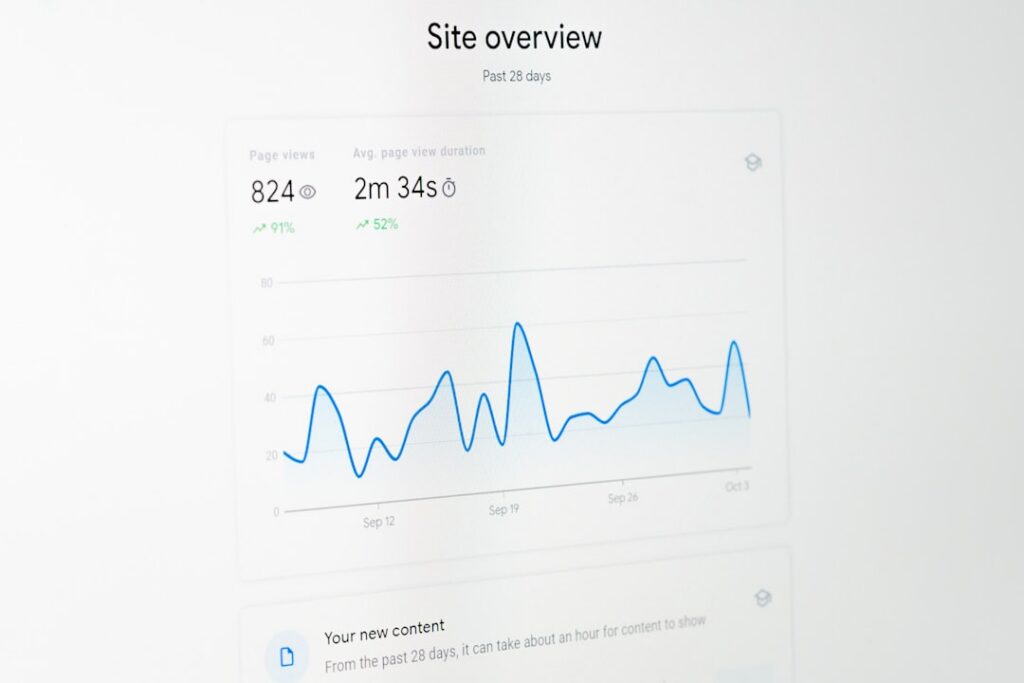
You can’t improve what you don’t measure. Start by setting a baseline for your AI citation share:
- Configure Google Analytics 4 to tag LLM-driven traffic.
- Use simple search queries on ChatGPT and Perplexity to note brand mentions.
- Compare against competitors’ share of voice.
As you progress, revisit these metrics monthly. Track patterns in AI-generated answers and adjust your content roadmap. Hungry for deeper insights? Explore Answer Engine Optimization and AI visibility tracking for small businesses to get your personalised scorecard.
Crafting AI-Friendly Content
AI crawlers look for bite-sized, context-rich snippets. Here’s how to keep them munching:
- Front-load value in the first 160 characters.
- Bold key entities with
<strong>tags. - Use second-person language: “What your team will gain…”
- Create listicles and tables for easy extraction.
- Update URLs and titles with “2025” or the current year.
Want to dive into practical local and conversational techniques? Explore practical GEO SEO strategies for tips on getting recommended by location-aware AI features.
Common AEO Mistakes to Avoid
Even seasoned marketers trip up. Watch out for:
- Burying answers under long intros. Users and AI bots won’t wait.
- Blocking AI crawlers in robots.txt or firewall rules.
- Relying solely on traditional SEO metrics and ignoring AI visibility.
- Forgetting to refresh content — AI engines prioritise freshness signals.
- Treating AEO as a one-time project instead of ongoing optimisation.
Learn more about how AI answers form and change over time by checking See how AI search results are generated.
Bringing It All Together: Your AEO Roadmap
Here’s a simple four-step path:
- Benchmark your current AI visibility.
- Fortify your technical SEO foundations.
- Publish AI-optimised, snackable content.
- Build cross-channel brand authority and track progress.
Leverage Maggie’s AutoBlog to keep your content pipeline flowing. Then refine your strategy based on real-world citation data. Ready to lead the pack? Start your Answer Engine Optimization journey with AI visibility tracking for small businesses and claim your spot in AI-powered answers.
Share
Related posts