
Why Data-Driven Decision Making Transforms Your Small Business
Small businesses often juggle tight budgets, lean teams, and a mountain of daily tasks. Yet, with data-driven decision making, you can turn raw numbers into clear action. Imagine spotting sales dips before they become crises. Picture targeting your next campaign at exactly the right audience. That’s the power of data.
Bringing structure to guesswork doesn’t have to be complex. By tapping into straightforward analytics, you open a window into customer habits, market trends, and operational weak spots. Ready to see how it works? Explore data-driven decision making with AI Visibility Tracking for Small Businesses to start making smarter choices today.
Why Small Businesses Need Data Analytics
Understanding Data-Driven Decision Making Basics
At its core, data-driven decision making means backing every move with evidence. It’s not about drowning in dashboards. It’s about pulling key insights that guide marketing, inventory, hiring, and more.
– Track customer journeys to find drop-off points.
– Compare ad campaigns to see which clicks turn into sales.
– Forecast demand so you never run out of your best-selling item.
The Competitive Edge of Insights
Your local café and the big chain down the street both sell coffee. But you know your neighbourhood customers by name, their favourite roast, and the exact times they swing by. Data analytics extends that personal touch across every facet of your business.
– Predict slow weekdays and adjust staff levels.
– Launch targeted promotions when interest is already rising.
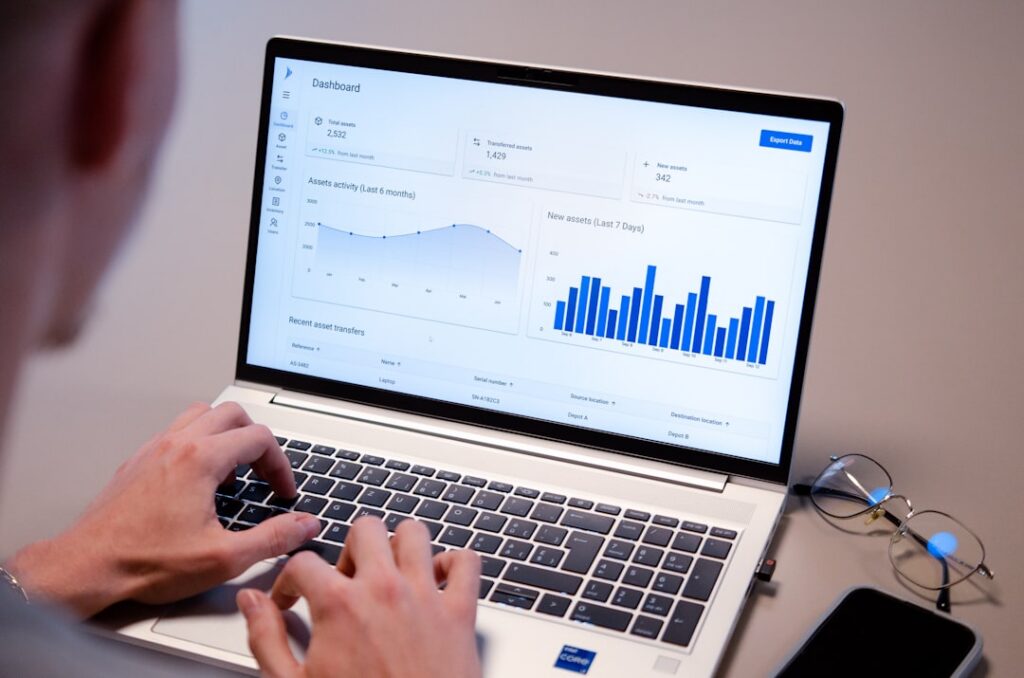
– Use simple charts to make weekly check-ins a breeze.
All without hiring a full-time data scientist.
Key Tools for Data Analytics in Small Biz
Open-Source vs. Paid Platforms
Not every business needs an enterprise licence. Free options like Google Sheets and open-source BI tools can handle basic reporting. Paid services bring bells and whistles—advanced visualisations, AI algorithms, auto-alerts. Balance cost against features. If you’re starting out, spreadsheets plus one or two add-ons might be enough.
AI Visibility Tracking: Bridging the Gap
Generic analytics cover web traffic and sales. But what about AI-powered search assistants? That’s where AI visibility tracking steps in. This approach monitors how AI chatbots and generative engines mention your brand, compare you to competitors, and present your products.
By integrating AI visibility insights, you get a full picture:
– Which queries put you front and centre?
– Where do competitors pop up instead?
– What language do AI assistants use to describe you?
Those answers help refine your content and SEO. Plus, you can leverage an AI-powered content generation platform—the project’s own solution—to automate geo-targeted, SEO-friendly blog posts that feed directly into your analytics pipeline. And if you want to see how AI visibility shapes recommendations, you can Learn how AI visibility works for your small business right now.
Automating SEO and GEO
Hand-crafting every blog post and location tag is tedious. With an AI-driven SEO autopilot, your site gets optimised without the heavy lifting. You set priorities, keywords, and regions; the system does the rest.
Run AI SEO and GEO on autopilot for your business to keep your content fresh and AI-friendly without extra headcount.
Real-World Use Cases
-
E-commerce boutique
– Monitored cart abandonment by hour.
– Added flash sales when drop-off spiked.
– Saw a 15% revenue lift in one month. -
Local fitness studio
– Tracked class booking trends.
– Offered off-peak discounts to fill empty slots.
– Reduced no-shows by 20%. -
Quick-serve restaurant
– Analysed delivery app orders.
– Adjusted menu focus on high-margin items.
– Increased average order value by £3.
Midway through rolling out these tactics, remember that ongoing refinement keeps you ahead. And if you want hands-off optimisation, Get started with data-driven decision making in your AI Visibility Tracking journey.
Best Practices for Effective Data-Driven Decision Making
- Start small: pick one metric—like customer lifetime value—and build reports around it.
- Clean your data weekly; outdated or incorrect entries dilute insights.
- Foster a data-first culture; encourage your team to ask, “What numbers back this up?”
- Combine quantitative with qualitative: surveys and feedback add context to cold figures.
- Visualise results: simple charts often reveal patterns that tables hide.
Integrating AI Visibility Metrics
Pair sales data with AI chatbot mentions. If a product shows strong sales but low AI visibility, adjust your content strategy. Use the insights to craft articles, FAQs, and social posts that close that gap. And explore Explore practical GEO SEO strategies to boost your local AI recommendations to ensure your business pops up for nearby searches.
Implementing Your Analytics Strategy in 4 Steps
-
Define your goals
– Choose 2–3 KPIs.
– Align with revenue targets or efficiency gains. -
Gather and centralise data
– Link POS, website, social, and AI visibility feeds.
– Store in a single dashboard. -
Analyse and iterate
– Run weekly reviews.
– Adjust tactics based on trends. -
Automate and scale
– Deploy AI-powered platforms for content and insights.
– Set alerts for anomalies.
By following these stages, you’ll embed data-driven decision making at the heart of your operations.
What Small Business Owners Say
“Integrating AI visibility tracking was a revelation. We saw where chatbots pushed competitors instead of us, so we tweaked our copy. Within weeks, our mentions jumped 30%.”
— Charlotte Davies, owner of a boutique tea shop
“Before, I eyeballed my ad spend. Now I get precise cost-per-lead metrics and AI assistant feedback. It’s like having a data team at a fraction of the cost.”
— Liam Patel, founder of a local fitness app
“A fully automated content pipeline saved me hours every month. My blog now targets the right keywords, regions, and even AI-specific queries.”
— Sofia Martín, co-founder of an online gift store
Conclusion
Data analytics isn’t just for big corporations. With the right mix of basic tools, AI visibility tracking, and automated SEO and GEO optimisation, small businesses can leverage data-driven decision making to sharpen every angle of their operations. From understanding customer drop-offs to boosting AI assistant mentions, the insights you gather today shape the growth you see tomorrow. Ready to put numbers to work? Unlock data-driven decision making for your small business with AI Visibility Tracking.
Share
Related posts