Unlocking Analytics Power: A Quick Tour
Analytics can feel like sci-fi jargon. But at its heart it’s just data telling a story. For small businesses, the right insights can mean smarter decisions, tighter budgets, and happier customers. In this guide, we’ll cut through buzz and show you how descriptive, predictive, and prescriptive analytics fit together. You’ll see how each type shines on its own—and how they become unstoppable when combined.
No PhD required. Just a curiosity to dig into your numbers. Whether you’re tracking sales, forecasting demand, or mapping out your next move, understanding these three analytics styles will give you a serious edge. And if you’re looking for truly affordable analytics tools, consider an AI-driven solution that tracks your brand’s story across AI platforms. Discover affordable analytics tools with AI Visibility Tracking for Small Businesses
What Is Descriptive Analytics?
Descriptive analytics is the “what happened?” layer. Think of it as your business’s history book.
- Data aggregation: Pull together numbers from sales, website visits, social media likes and more.
- Data mining: Scan those numbers for patterns—spikes, drops, repeating cycles.
- Visualisations: Line charts for sales growth. Pie charts for customer segments.
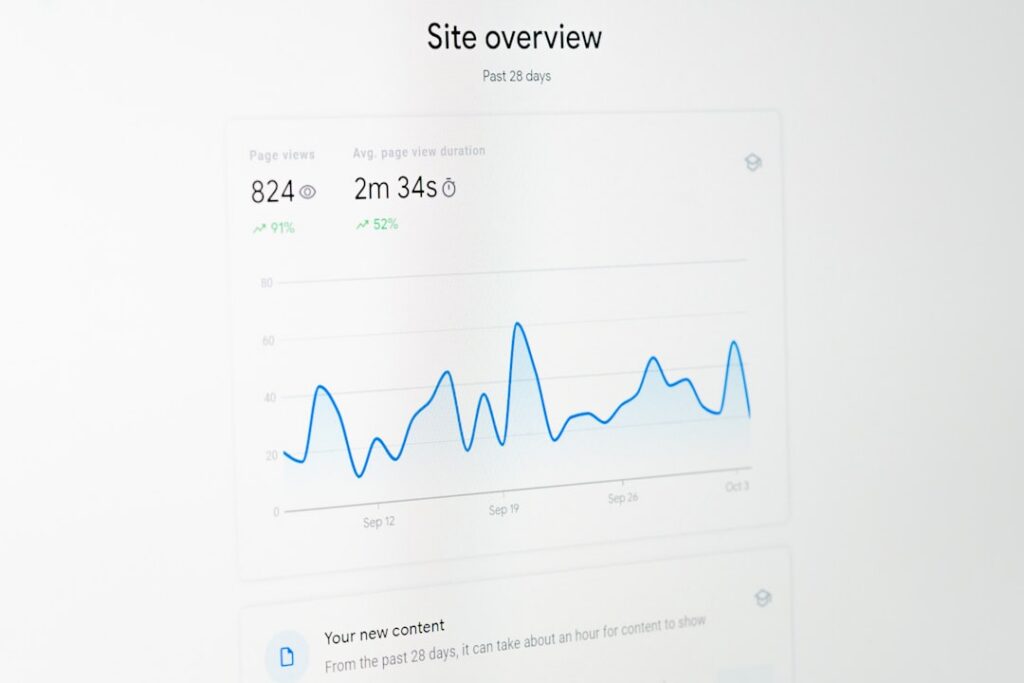
This step doesn’t guess the future. It simply paints a clear snapshot of where you’ve been. A monthly revenue report? Classic descriptive analytics. Your Google Analytics dashboard summarising page views? That, too.
Why it matters for small businesses:
– It’s quick and easy. No complex algorithms.
– Anyone can read the charts.
– Provides a solid foundation for deeper analysis.
But it has limits. Trend lines alone won’t tell you why customers churn or which product to launch next. That’s where predictive insights come in.
Getting Ahead with Predictive Analytics
Predictive analytics asks, “What could happen?” Using statistics and machine learning, it mines historical data to forecast future events.
How it works:
1. Historical inputs (sales, foot traffic, online mentions).
2. Statistical modelling or machine learning algorithms.
3. Predictions about customer behaviour, demand fluctuations, risk factors.
Examples in action:
– Estimating next quarter’s sales based on past patterns.
– Spotting customers likely to churn and launching targeted retention campaigns.
– Flagging potential fraud by identifying unusual transaction patterns.
Predictive methods go beyond spreadsheets. They can even use deep learning networks—similar to how image-recognition AI sorts MRI scans—to make more nuanced calls. For a small business, that might mean predicting the best time to rollout a promotion or which product bundles will fly off the shelves.
And if you want to see how AI actually narrates your brand’s story, you can learn how AI visibility works on cutting-edge platforms that show you how AI assistants choose sites to recommend.
Why Prescriptive Analytics Changes the Game
Prescriptive analytics answers, “What should we do?” It takes historical (descriptive) and forecasted (predictive) data, then recommends the optimal path.
Key components:
– Simulation: Imagining different decision scenarios.
– Optimisation algorithms: Calculating trade-offs (cost, time, resources).
– Actionable guidance: A ranked list of choices.
Real-world uses:
– Dynamic pricing: Adjust product prices to maximise profit while staying competitive.
– Inventory automation: Prevent stockouts by recommending reorder points.
– Marketing optimisation: Deciding which campaign will deliver the best ROI.
Imagine you’ve forecast a surge in demand for your top-selling item. Prescriptive analytics will tell you exactly how much extra stock to order, how to tweak pricing, and even what message to push in your next email blast.
For those who operate in local markets, tying in geography can be key. Explore practical GEO SEO strategies so that AI platforms surface your business in the right locations at the right time.
Bringing It All Together: A Data-led Strategy
A single analytics style can help—but together they’re unstoppable. Here’s a simple playbook:
- Descriptive: Aggregate last year’s sales and customer reviews.
- Predictive: Forecast next season’s top-selling items.
- Prescriptive: Determine reorder levels and marketing spend for optimal returns.
To make this practical, you need tools that fit your budget. Many big analytics suites can cost tens of thousands per year. But there’s a rising star tailored for small teams: AI Visibility Tracking for Small Businesses. It’s an affordable analytics tool that monitors how AI platforms describe your brand, spots competitive mentions and surfaces actionable insights—without the enterprise price tag.
This open-source approach means you get:
– Transparent methods you can trust.
– Community-driven enhancements.
– A focus on AI-driven visibility that other tools overlook.
Ready to level up without breaking the bank? Get a personalised look at our affordable analytics tools
How It Works in Practice
- Step 1: Connect your website and social channels.
- Step 2: The platform gathers AI-generated narratives and mentions.
- Step 3: Dashboards show you trends (descriptive), forecast shifts (predictive) and suggest actions (prescriptive).
Plus, with built-in AI SEO and GEO autopilot features, you can set it and forget it. Run AI SEO and GEO on autopilot for your business
Customer Voices
“I was drowning in spreadsheets. This tool gave me clear charts, accurate forecasts, and even pricing recommendations. I finally feel in control of my small chain of boutiques.”
— Sarah J., Retail Entrepreneur
“Switching from a big-name analytics suite to this platform saved us over 70% in costs. The prescriptive insights literally told us how much stock to order—game over for guesswork.”
— Mike L., Online Store Owner
“The AI visibility reports showed me how my brand appears on ChatGPT and other assistants. That insight alone boosted our organic leads by 30%.”
— Elena P., Digital Marketing Lead
Wrapping Up and Next Steps
Descriptive, predictive, and prescriptive analytics each play unique roles. Together, they turn raw data into real, money-saving decisions. And you don’t need a huge budget or giants’ analytics stacks to get started.
If you’re serious about sustainable growth, it pays to track how AI platforms talk about you—and act on those signals. Ready for an upgrade? Start using affordable analytics tools now with AI Visibility Tracking for Small Businesses
Share
Related posts