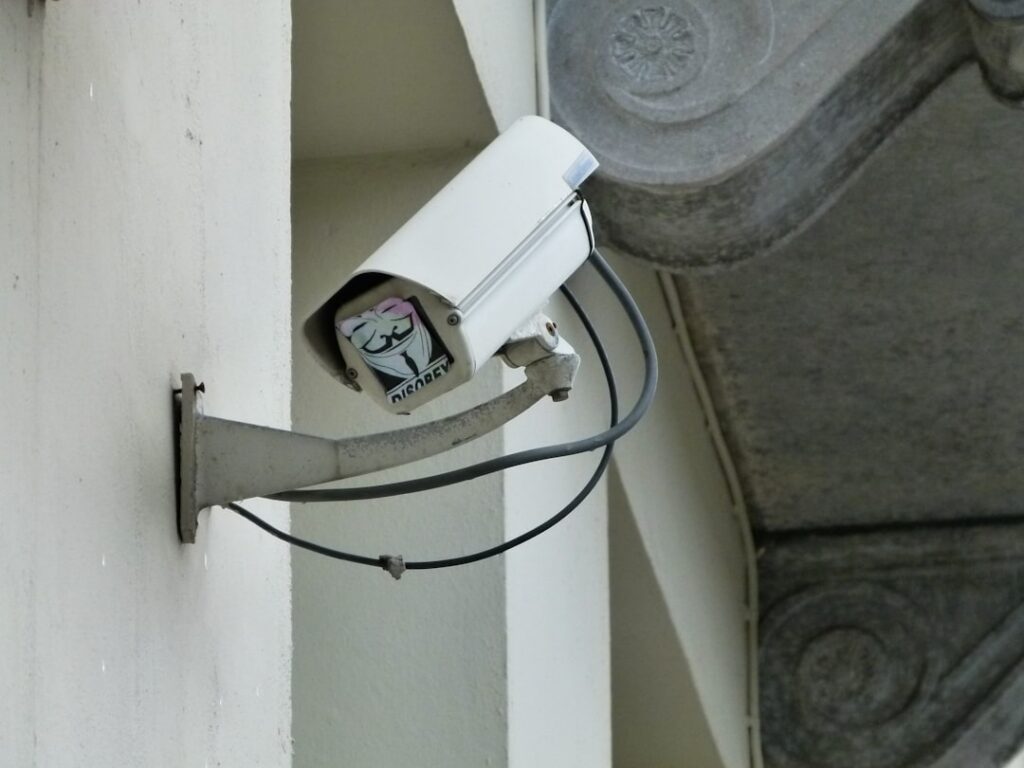

Why Shadow AI Agents Matter for Small Businesses
You’re a small business owner. You juggle marketing, sales and customer support. You’ve heard about generative AI. It promises big wins: content at scale, faster replies, killer insights. But there’s a catch.
Shadow AI agents—those sneaky bots and tools that slip under the radar—can create blind spots. Employees grab personal ChatGPT accounts. They install browser extensions. They feed sensitive data into unknown AI apps. Risk? Through the roof.
So, you need two things:
– Visibility. Know what AI is in your stack.
– Governance. Control who uses what, how and why.
Enter the ai visibility tool. That’s step one in closing the loop.
Understanding Shadow AI Agents
What Are Shadow AI Agents?
Shadow AI agents are unauthorised or unmanaged AI tools running inside your business environment. They can be:
- Personal ChatGPT or Claude logins used for work.
- Browser extensions offering AI summaries.
- Third-party apps with hidden machine-learning features.
- Autonomous scripts that crunch data without sign-off.
Why They’re a Big Deal
Imagine sharing customer names or financials with an unsanctioned AI. Now consider data regulations in Europe—GDPR, the upcoming AI Act. One slip, one hidden agent, and you face fines or reputation hits.
Plus, you lose control:
– No audit trail.
– No risk assessment.
– No policy enforcement.
All this while your competition might already be mastering AI with full oversight.
Key Features of an Effective ai visibility tool
Not all tools are equal. Some promise the world but demand steep setup costs. Others lack regulatory context. Your ideal ai visibility tool should tick these boxes:
In any ai visibility tool, you should look for:
-
Instant Detection
Spot new AI agents the moment they surface. No multi-week onboarding. -
Smart Classification
Automatically tag tools by risk: data access, user roles, compliance needs. -
Data Flow Mapping
Visualise exactly which SaaS apps or AI connect to sensitive records. -
Continuous Monitoring
Shadow AI evolves. So should your oversight. -
Open-Source or API Access
Custom reports. Community contributions. Integration with your existing stack.
When you start hunting for a top ai visibility tool, these features separate the wheat from the chaff.
Comparing Reco’s Generative AI Discovery vs Our Solution
Yes, Reco’s Generative AI Discovery is well-known. It’s robust. It integrates with 200+ SaaS platforms. It’s SOC2 certified and GDPR compliant. Their ai visibility tool can:
- Uncover ChatGPT, Claude, Copilot usage.
- Map AI-to-data pipelines.
- Automate policy triggers.
What Reco Does Well
- Enterprise-grade security.
- Deep integrations (ServiceNow, Salesforce, Microsoft 365).
- Real-time alerts for unsanctioned AI.
Where Reco Falls Short for SMEs
- Pricing models aimed at Fortune 500 budgets.
- Complex setup requiring dedicated IT resources.
- Closed-source, limiting custom tweaks and community input.
Our Open-Source AI Visibility Tracking for Small Businesses
We built our ai visibility tool for folks like you. No giant consultancy fees. No hidden install costs. It’s:
- Affordable and Accessible. Solo entrepreneurs welcome.
- Transparent. Open-source code you can audit.
- Community-Driven. Request features. Submit patches.
- SEO-Boosting with Maggie’s AutoBlog.
Need to level up your content? Try Maggie’s AutoBlog—our AI platform that crafts SEO and GEO-targeted blog posts automatically. Pair it with your new ai visibility tool and watch your brand narrative flourish inside AI-generated search results.
Curious? Explore our features
Actionable Steps to Detect and Govern Shadow AI
Alright. You know the threats. You’ve seen the tools. Now let’s get practical.
Step 1: Build an AI Asset Inventory
- List every SaaS account, browser extension, chat service.
- Survey your team. Ask who uses ChatGPT, Bard, Claude.
- Tag each entry: purpose, owner, data sensitivity.
Step 2: Choose the Right ai visibility tool
Pick an ai visibility tool that:
– Fits your budget.
– Installs in hours, not weeks.
– Offers clear dashboards for non-techies.
– Integrates via simple APIs.
Step 3: Tag and Govern
- Assign owners to each AI agent.
- Define risk levels: low, medium, high.
- Set policies for data access and retention.
- Automate compliance workflows. No manual spreadsheets.
Step 4: Train Your Team
- Run short workshops on data hygiene.
- Show risks of unsanctioned AI.
- Teach them how to request new AI access.
Step 5: Review and Adapt
Work with an ai visibility tool that alerts you to changes:
– New AI apps get added.
– Permissions expand.
– Data flow patterns shift.
Review monthly. Adapt policies as new AI crops up.
Real-World Example: How Maggie’s AutoBlog and Visibility Tracking Work Together
- Detect. Your ai visibility tool flags an unsanctioned AI writing assistant.
- Govern. You tag it, assign an owner, and quarantine sensitive data.
- Create. Use Maggie’s AutoBlog to generate content instead of shadow tools.
- Monitor. Continuous scans ensure no sneaky AI agents resurface.
Pretty neat, right?
Conclusion: Secure Your AI Future
Shadow AI agents aren’t going away. As generative AI spreads, small businesses risk data leaks and compliance gaps. You need both visibility and governance—a solid ai visibility tool plus the right processes.
Don’t wait until an audit fail or data breach. Get your AI under control today.
Share
Related posts