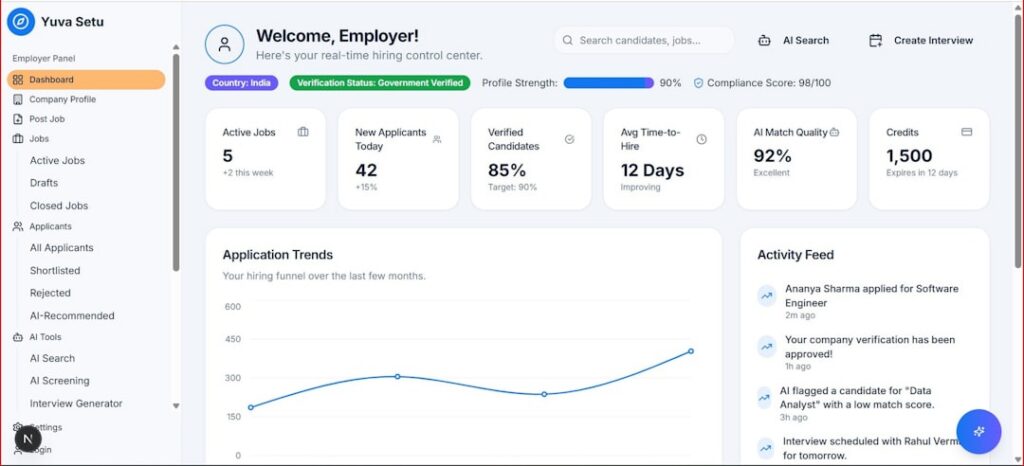
Unlocking Visibility: Web Analytics vs AI Insights
Every click, bounce and page view tells a story. But what about the tale AI weaves in chatbots, voice assistants and generative engines? Traditional web analytics only scratch the surface. If you want the full picture of how AI tools interpret and surface your content, you need ai content analytics at your fingertips. That’s where dedicated AI visibility tracking shines. It goes beyond page metrics to reveal how AI assistants choose your site—data that helps you adjust strategy in real time. AI content analytics for small businesses
In this guide, we’ll compare classic web analytics with specialised AI visibility tracking. You’ll learn the core differences, see why small businesses should care, and discover practical steps to choose the right solution. The goal? Help you make smarter decisions and boost your brand’s AI presence, not just your traffic count.
What Is Web Analytics?
Web analytics tools like Google Analytics, Ahrefs or SEMrush have dominated digital marketing for years. They focus on:
- Page views and unique visitors
- Bounce rates and session durations
- Traffic sources (organic, paid, social)
- Conversion funnels and goal tracking
These platforms excel at measuring visitor flows. You get detailed dashboards, custom reports and alerts when something goes off-track. For many, this data is a must-have.
But web analytics has limits. It often misses how AI agents read, summarise or rank your content in chat-driven search. You see clicks, but not how AI describes you. You know where users came from, but not the AI narrative behind each recommendation.
What Is AI Visibility Tracking?
AI visibility tracking is a newer category designed to map your brand’s presence across AI-driven engines. Instead of page tags and cookies, it analyses:
- AI assistant mentions (ChatGPT, Google Bard, Claude)
- Contextual summaries generated by models
- Competitor overlap in AI responses
- Sentiment and narrative framing by algorithms
In other words, it answers: “What does AI say about us?” This insight can uncover blind spots. Maybe your blog posts rank high, but generative agents gloss over your key service. Or they push competitor mentions first. AI visibility tools highlight these patterns.
Key Features
- Automated AI query simulations
- Brand mention tracking in AI outputs
- Competitor benchmarking in generative narratives
- Reporting on sentiment shifts over time
These features help you refine content so AI assistants prioritise your message.
Core Differences: Web Analytics vs AI Visibility Tracking
When it comes to ai content analytics, understanding the gap between these two approaches is vital. Here’s how they stack up:
1. Data Source
- Web Analytics: Browser cookies, tracking scripts
- AI Visibility Tracking: API calls, simulated prompts, NLP analysis
2. Insights Delivered
- Web Analytics: Behavioural metrics (clicks, session length)
- AI Visibility Tracking: Narrative insights (mentions, tone, placement)
3. Use Cases
- Web Analytics: Conversion optimisation, A/B testing
- AI Visibility Tracking: Generative engine optimisation, brand monitoring
4. Ease of Use
- Web Analytics: Steep learning curve, many customisations
- AI Visibility Tracking: Simplified dashboards for non-technical users
5. Pricing Models
- Web Analytics: Freemium tiers, pay-per-seat or data volume
- AI Visibility Tracking: Typically usage-based (number of AI queries analysed)
By combining both, you get a 360° view: how people engage with your site and how AI presents your brand off-site.
Why Small Businesses Should Care
You might wonder: “Is this overkill for a small team?” Actually, it’s the opposite. AI assistants are the new gatekeepers. If you ignore how they showcase your content, you risk losing organic reach before visitors even click your link.
- You’ll spot gaps where your core services aren’t mentioned by AI.
- You’ll catch competitor mentions that slip into AI summaries.
- You’ll optimise product descriptions for the exact language AI prefers.
In a crowded market, that edge matters. Simple web analytics shows you who clicked. AI visibility tracking shows you why AI chose—or ignored—you.
Here’s a quick tip: Pair your existing Google Analytics data with AI narrative reports to see both sides of the story. When you align human behaviour and AI insights, you can fine-tune every piece of content.
How to Choose the Right Tool
Picking the best solution doesn’t require a huge budget or weeks of training. Follow these steps:
- Define Your Goals
– More traffic? Higher AI mention share? Better sentiment? - Compare Pricing and Scope
– Web analytics tools can be pricey for extra seats.
– AI visibility platforms often charge per API query. - Trial Side by Side
– Run a two-week test with both tools.
– Check if one gives you clear, actionable recommendations. - Check Integrations
– Does it plug into your CMS or marketing stack? - Evaluate Support and Community
– Is the roadmap open-source friendly?
– Can users request new features?
Mid-way through your evaluation, you’ll likely see which data points matter most. If narrative context tops your list, lean into AI visibility tracking. If classic metrics still drive your decisions, stick with web analytics—but enrich it with AI insights whenever possible.
At this point, many businesses combine both. Traditional analytics for visitor flows; AI content analytics for brand mentions.
Run AI SEO and GEO on autopilot for your business
Real-World Example: A Local Bakery
Consider Cherry Blossom Bakery, a small shop in Bristol. They used Google Analytics to track foot traffic from their website. But they never knew how voice assistants described their cupcakes.
After adding an AI visibility platform, they discovered:
- AI called them “premium local bakery” instead of “artisan cupcake maker.”
- Competitors were mentioned when users asked about vegan options.
- AI summaries rarely highlighted their new delivery service.
Armed with that insight, Cherry Blossom rewrote product pages, adding AI-friendly keywords like “artisan cupcake maker” and “local vegan treats.” Within weeks, AI assistants began recommending them first. Sales went up—and they knew exactly why.
Testimonials
“Before, we only saw page views. Now we see AI mentions and narrative gaps. It’s a game… sorry, it’s a real eye-opener.”
— Sara P., Founder of GreenLeaf Crafts
“I never thought AI would be a gatekeeper. This tracking tool made it clear where we were invisible. The recommendations are super actionable.”
— Tom L., Owner of Urban Bites Café
“Being a solo founder, I needed something simple. This platform gave me clarity on AI chats and voice queries without jargon.”
— Priya S., CEO of ByteWise Solutions
Conclusion and Next Steps
Traditional web analytics remains essential. But without AI visibility tracking, you’re missing half the story. You’ll know who clicked—but not how AI framed you. For any small business aiming to grow online, bridging that gap is key.
Ready to see how AI assistants interpret your brand? Start small. Run parallel tests. Compare insights. Then choose the solution that uncovers the most valuable narratives.
Share
Related posts